Expert Winter Heating Checklist: 4 Expert Tips to Avoid Costly Damage
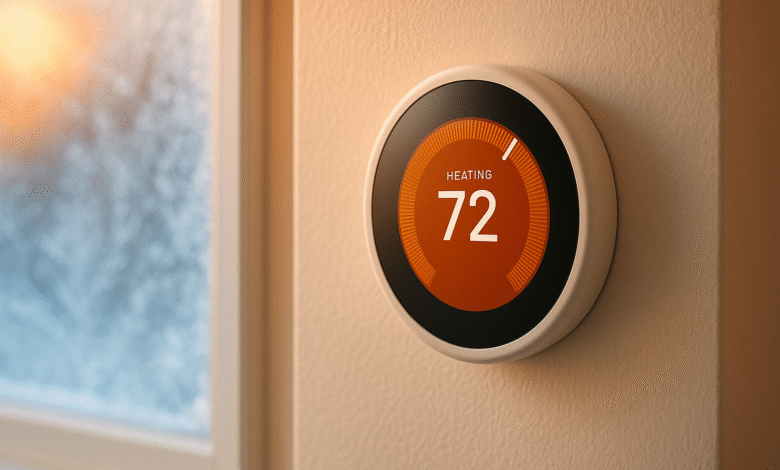
Winter is coming, and your heating system is about to work harder than it has in months. But here’s something most homeowners don’t think about until it’s too late: a heating system that hasn’t been properly checked can cost you hundreds or even thousands of dollars in repairs.
Worse yet, it could leave you shivering in the cold when temperatures drop below freezing. The good news? You can avoid most of these problems with a simple winter heating checklist.
In this guide, we’ll walk you through four essential tips that will help you keep your home warm, your energy bills low, and your heating system running smoothly all season long. Whether you have a furnace, boiler, or heat pump, these tips will save you money and headaches.
Why a Winter Heating Checklist Matters
Think about it this way: your car needs an oil change and tune-up to run properly, right? Your heating system works the same way. When you skip maintenance, small problems turn into big ones. A dirty filter can make your furnace work twice as hard. A small leak in your boiler can lead to a complete breakdown. And when your heating fails in the middle of January, you’ll pay premium prices for emergency repairs.
According to the U.S. Department of Energy, heating accounts for about 45% of your energy bills during winter months. That’s nearly half of what you pay to keep your lights on and your home comfortable. When your system isn’t running efficiently, that number goes even higher. A well-maintained heating system can save you up to 30% on energy costs compared to one that’s been neglected.
But it’s not just about saving money. Safety is a huge factor too. Furnaces that aren’t properly maintained can develop cracks in the heat exchanger, which can leak carbon monoxide into your home. This colorless, odorless gas is extremely dangerous and sends thousands of people to the hospital every year.
Tip 1: Check and Replace Your Air Filters
This is the easiest item on your winter heating checklist, but it’s also one of the most important. Your air filter does exactly what it sounds like—it filters the air that flows through your heating system. Over time, it gets clogged with dust, pet hair, and other particles. When this happens, your furnace has to work much harder to push air through your home.


How Often Should You Change Your Filter?
Most experts recommend checking your furnace filter every month during winter and replacing it every 1-3 months. But this depends on several factors:
- If you have pets, you’ll need to change it more often
- If someone in your home has allergies, monthly changes are better
- If you live in a dusty area, check it more frequently
- Standard 1-inch filters usually need replacing every month
- Thicker 4-inch filters can last up to 6 months
How to Check Your Filter
Turn off your heating system first. Then locate your filter—it’s usually in the return air duct or in a slot on your furnace. Pull it out and hold it up to the light. If you can’t see light coming through it, it’s time for a replacement. Even if you can see some light, check for visible dirt and dust buildup.
A dirty filter doesn’t just waste energy. It can actually damage your furnace by causing it to overheat. When air can’t flow properly, the heat exchanger gets too hot and can crack. This repair can cost $1,000 or more, while a new filter costs less than $20.
Tip 2: Schedule a Professional Heating System Inspection
You might be handy around the house, but some things are better left to the professionals. A professional heating inspection should be on your winter preparation checklist every single year. Here’s why: trained technicians can spot problems that you’ll never see on your own.
What Does a Professional Inspection Include?
When you hire a qualified HVAC technician, they’ll check multiple components of your system:
- Thermostat accuracy—making sure your thermostat is reading temperatures correctly
- Electrical connections—loose wires can be dangerous and cause system failures
- Gas pressure and burner combustion—incorrect levels waste fuel and can be unsafe
- Heat exchanger—checking for cracks that could leak carbon monoxide
- Blower motor and belts—worn belts can snap and leave you without heat
- Condensate drain—clogs here can cause water damage
- Ductwork—leaks in your ducts waste heated air before it reaches your rooms
According to Energy Star, annual maintenance by a qualified technician can improve your system’s efficiency by up to 15%. That’s a significant saving on your heating bills, and the inspection usually costs between $80 and $150.
When Should You Schedule This Inspection?
The best time is in early fall, before you actually need your heat. This gives you time to make repairs without the stress of being cold. Plus, HVAC companies are less busy in September and October, so you’ll have more flexibility with scheduling and might even get a better price.
Tip 3: Test Your Carbon Monoxide Detectors and Smoke Alarms
This tip could literally save your life. Carbon monoxide (CO) poisoning sends over 20,000 Americans to emergency rooms every year, and heating equipment is one of the main sources. Your winter heating safety checklist absolutely must include checking your detectors.
Why Carbon Monoxide Is So Dangerous
Carbon monoxide is created when fuels like natural gas, oil, or propane don’t burn completely. It’s impossible to see, smell, or taste. When you breathe it in, it replaces oxygen in your blood, which can cause serious harm or death. Early symptoms feel like the flu—headaches, dizziness, nausea, and fatigue. That’s why many people don’t realize they’re being poisoned until it’s too late.
How to Test Your Detectors Properly
You should have a CO detector on every floor of your home, especially near bedrooms. Here’s how to test them:
- Press the test button on each detector and make sure it beeps loudly
- Check the expiration date—most CO detectors need replacing every 5-7 years
- Replace batteries if your detectors use them (do this twice a year when you change clocks)
- Install new detectors if you don’t have them on every level
Don’t forget your smoke alarms too. While you’re thinking about heating system safety, test these the same way. House fires increase in winter because heating equipment is the second leading cause of home fires in the United States, according to the National Fire Protection Association.
Additional Safety Tips
- Never use your oven or stove to heat your home
- Keep space heaters at least three feet away from anything that can burn
- Never leave space heaters running when you sleep or leave the room
- Make sure your fireplace damper is open before lighting a fire
- Have your chimney cleaned if you use a wood-burning fireplace
Tip 4: Clean Your Vents and Check for Airflow Problems
The last item on your winter heating maintenance checklist involves your vents and registers. These are the openings where warm air enters your rooms. When they’re blocked or dirty, your heating system can’t do its job properly.
Why Clean Vents Matter
Blocked vents create several problems. First, they make your rooms uncomfortable because warm air can’t circulate. Second, they increase pressure in your ductwork, which makes your furnace work harder. Third, they waste energy and money because you’re heating air that can’t actually reach the rooms where you need it.
How to Clean and Check Your Vents
Walk through every room in your house and look at each vent. Here’s what to do:
- Remove the vent covers and wash them with soap and water
- Use a vacuum with a hose attachment to clean inside the ducts (as far as you can reach)
- Look for dust buildup, cobwebs, or any objects that might be blocking airflow
- Make sure furniture, curtains, or rugs aren’t covering your vents
- Check that dampers are open on all vents (these are small levers on the duct)
Balance Your Heating System
Once your vents are clean, you can adjust them to balance the temperature throughout your home. If some rooms get too hot while others stay cold, try partially closing vents in the warmer rooms. This redirects more air to the cooler areas. Don’t close vents completely in unused rooms though—this creates pressure problems and can actually waste energy.
Look for Air Leaks Around Your Home
While you’re checking vents, look for places where heated air might be escaping. Common problem spots include:
- Around windows and doors
- Where pipes or wires enter through walls
- Attic hatches
- Basement rim joists
- Electrical outlets on exterior walls
You can seal small gaps with caulk or weatherstripping. For larger openings, use expanding foam. These simple fixes can cut your heating costs by 10-20%, according to the Department of Energy.
Bonus Tips for Your Winter Heating Checklist
Program Your Thermostat
If you have a programmable or smart thermostat, use it. Lower the temperature by 7-10 degrees when you’re asleep or away from home. This can save you up to 10% per year on heating costs. Your home will warm back up quickly when you return, and you won’t even notice the difference.
Keep Your Outdoor Unit Clear
If you have a heat pump, make sure the outdoor unit has at least two feet of clearance on all sides. Remove leaves, branches, and debris. Never let snow pile up around it.
Listen for Strange Noises
Your heating system should run relatively quietly. If you hear banging, squealing, or rattling, something’s wrong. Don’t ignore these sounds—they usually mean a part is wearing out or something is loose. Fixing small problems early prevents expensive breakdowns later.
Check Your Humidity Levels
Winter air is dry, and heating your home makes it even drier. Low humidity feels colder, so you’ll be tempted to turn up the heat. Consider using a humidifier to maintain humidity between 30% and 50%. You’ll feel warmer at lower temperatures and save money.
Conclusion
Your winter heating checklist doesn’t need to be complicated, but it does need to be done. These four essential tips—changing your filters regularly, scheduling professional inspections, testing your safety detectors, and cleaning your vents—will help you avoid costly heating repairs and keep your home comfortable all winter long. Most of these tasks take less than an hour and cost very little, but they can save you thousands of dollars in emergency repairs and energy bills. Don’t wait until your heating system breaks down on the coldest night of the year. Start checking items off your list today, and you’ll enjoy a warm, safe, and affordable winter season.